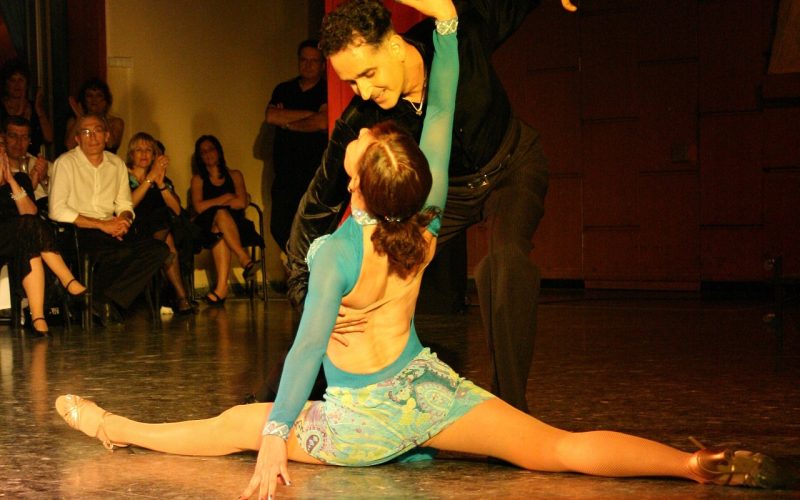
Salsa music pulses with energy, blending African rhythms, Spanish melodies, and Caribbean flair into something unforgettable. Born in the vibrant streets of New York City during the 1960s and 70s, salsa has grown into a global phenomenon that continues to inspire dancers and musicians alike. Understanding the beats of salsa music reveals not just its technical structure, but the cultural heartbeat that makes it so irresistible.
Clave rhythm
At the core of every salsa song lies the clave—a rhythmic pattern that serves as the genre's backbone. This distinctive five-stroke pattern typically follows either a 2-3 or 3-2 structure, meaning two beats in one bar and three in the next, or vice versa. The clave acts as a guide for all other instruments, creating a framework that musicians and dancers follow instinctively. Without the clave, salsa would lose its defining character. Listen carefully to any salsa track, and you'll hear this pattern woven throughout, often played on wooden sticks called claves.
Percussion drives the rhythm
Salsa's percussion section creates layers of complex, interlocking rhythms that give the music its infectious groove. The timbales provide sharp, cutting accents and fills that punctuate key moments in the arrangement. Congas add deeper, resonant tones that anchor the rhythm section, whilst the bongos contribute higher-pitched patterns during verses. The cowbell, played by the timbalero, cuts through the mix with its penetrating tone, helping dancers maintain their timing. Each percussion instrument has a specific role, yet together they create a unified, driving force that's impossible to resist.
The role of piano and bass
Beyond percussion, the piano and bass form salsa's harmonic foundation. The piano typically plays montunos—repetitive, syncopated patterns that create forward momentum and add melodic interest. These patterns often feature the characteristic tumbaos that define salsa's harmonic movement. The bass, meanwhile, locks in with the conga to establish the fundamental groove. Bass lines in salsa tend to emphasise the downbeats whilst incorporating syncopation that complements the clave pattern. This combination of piano and bass provides both rhythmic drive and harmonic colour, supporting the percussion whilst creating space for the horn section and vocals.
Horns add power and melody
The brass section—typically comprising trumpets and trombones—delivers salsa's signature sound. These instruments play punchy, rhythmic figures called mambo sections that often serve as responses to the lead vocals. During instrumental breaks, the horns take centre stage with elaborate arrangements that showcase technical skill and musical creativity. The interplay between different horn voices creates a rich, full sound that adds drama and excitement to the overall arrangement.
Timing and tempo variations
Salsa music generally maintains a tempo between 160 and 220 beats per minute, though this can vary depending on the style. Salsa dura tends towards faster tempos with aggressive arrangements, whilst salsa romántica often adopts slower, more relaxed tempos to accommodate lyrical content. Regardless of speed, salsa maintains its characteristic son clave rhythm, and dancers count in groups of eight beats. Understanding this timing helps both musicians and dancers synchronise their movements with the music's natural flow.
Why the beats matter
The beats of salsa music represent more than technical elements—they embody a cultural legacy that spans continents and generations. Each rhythmic component, from the foundational clave to the soaring horn sections, contributes to an art form that continues to evolve whilst honouring its roots. Whether you're a dancer learning to feel the rhythm or a listener discovering salsa for the first time, understanding these beats deepens your appreciation for one of Latin music's most enduring genres.